Is It Safe to Drive?
Whether it is safe to drive a car that won't accelerate properly depends entirely on what is causing it - and how severe it is.
If the car barely moves when you press the gas and you cannot merge onto a highway safely, that is a safety issue. You cannot drive a car that cannot keep pace with traffic. Pull over and call for a tow or a ride. If the car accelerates fine around town but loses power on steep grades or at highway speeds, it may be safe to drive locally while you get it diagnosed - but do not push it.
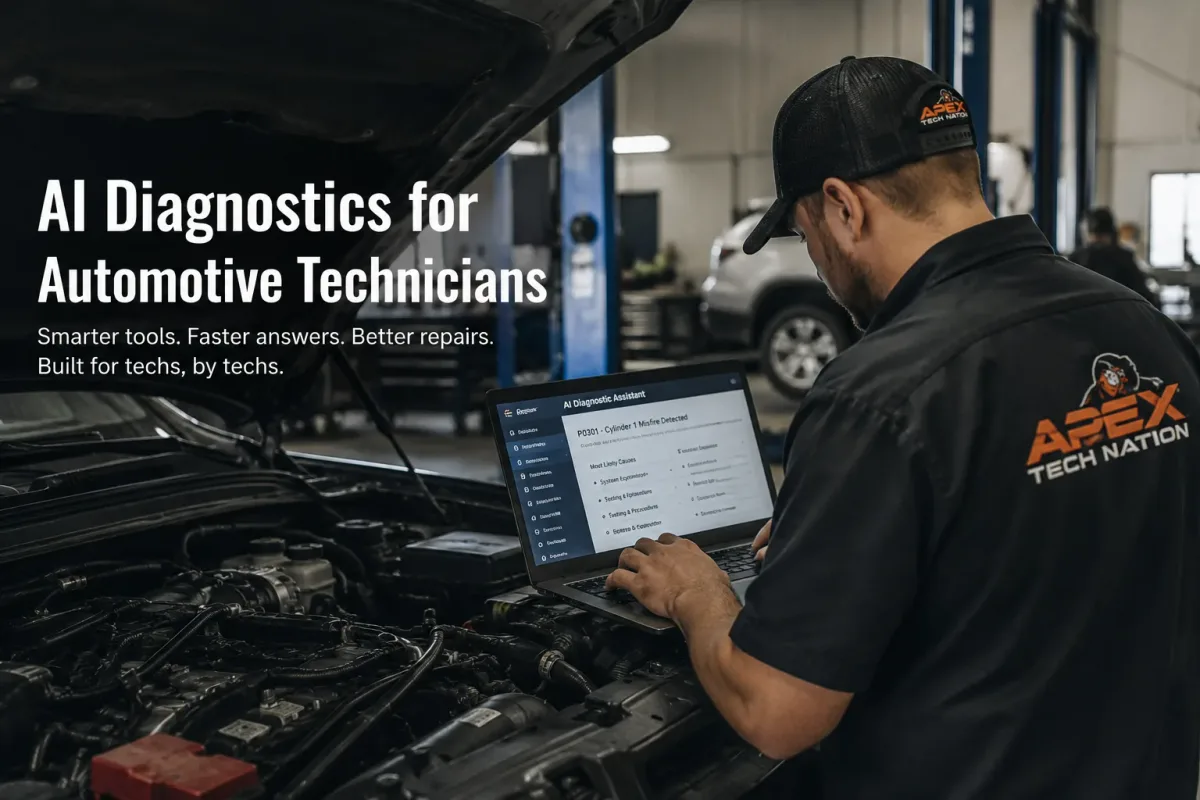
In my shop, acceleration problems usually come with a check engine light. That light is storing a fault code that narrows down the cause significantly. A $25 OBD2 scanner - or a free scan at most auto parts stores - can give you a starting point before you even call a shop.
Fuel System Problems
The fuel system is one of the top causes of acceleration loss. Your engine needs the right amount of fuel, at the right pressure, at exactly the right time. When any part of that chain fails, power drops.
Weak or Failing Fuel Pump
The fuel pump sits inside your gas tank and pushes fuel to the engine at a specified pressure. When it starts to wear out, it can maintain pressure at idle but falls short under heavy load - like accelerating hard or climbing a hill. Classic symptoms: car accelerates fine in town, but struggles or surges at highway speed or under load. You may also notice it hesitates when you first start after the car has been sitting.
Fuel pump replacement runs $400–$900 at most shops. The pump is inside the tank, so dropping the tank is part of the labor. Do not ignore this one - a fully failed pump leaves you stranded.
Clogged Fuel Filter
Some vehicles have a serviceable fuel filter (usually in the fuel line under the car or near the fuel tank). When it clogs, it restricts fuel flow - which feels like a weak fuel pump. Many modern vehicles have a filter integrated into the pump assembly that is replaced along with the pump. If your car has a serviceable filter and it has never been replaced, that is a cheap first step: $50–$150 parts and labor.
Dirty Fuel Injectors
Fuel injectors spray a precise mist of fuel into each cylinder. Over time, varnish deposits build up and change the spray pattern, reducing fuel delivery. You get hesitation, rough running, and reduced power - especially at higher RPMs under load. Injector cleaning services run $100–$200. If injectors are severely fouled or damaged, replacement is $300–$600+ depending on the number of cylinders and injector cost.
Ignition System Problems
The ignition system delivers the spark that ignites the fuel-air mixture. When it fails partially, you get misfires - and misfires feel exactly like acceleration stumble and power loss.
Worn Spark Plugs
This is one of the most common and most overlooked causes of acceleration problems. Spark plugs wear down over time. As the gap widens and the electrode erodes, they fire inconsistently - especially under load. Most modern engines use iridium or platinum plugs that are rated for 60,000–100,000 miles, but they can fail earlier.
Spark plug replacement costs $150–$400 for most 4-cylinder engines at an independent shop. V6 and V8 engines cost more due to the number of plugs and accessibility. If you have never replaced them and you are past 60,000 miles, plugs should be on your list regardless of symptoms.
Failing Ignition Coils
Modern engines use individual coil-on-plug (COP) ignition coils - one per cylinder. When a coil fails, that cylinder stops firing. The engine runs on fewer cylinders, power drops noticeably, and you usually get a rough idle and a check engine light with a misfire code pointing to a specific cylinder. Individual coil replacement runs $80–$200 per coil including labor. Many shops recommend replacing all coils at once if mileage is high, since they tend to fail in clusters on the same engine.
Sensor Failures
Modern engines are managed by dozens of sensors. When a key sensor fails or gives bad data, the engine management system runs rich, runs lean, retards timing, or limits power to protect the engine - all of which show up as acceleration problems.
Mass Airflow Sensor (MAF)
The MAF sensor measures how much air is entering the engine. The ECU uses that data to calculate how much fuel to inject. A dirty or failing MAF sends incorrect data, and the engine runs too rich or too lean. You get hesitation, surging, rough idle, and reduced power. A cleaning with MAF-specific cleaner sometimes fixes it ($10–$20 DIY). Replacement runs $150–$350.
Throttle Position Sensor (TPS)
The TPS tells the ECU how far you have pressed the gas pedal. If it sends bad data, the engine does not know you are asking for more power. You may notice hesitation right when you first press the accelerator. TPS replacement costs $100–$250.
Oxygen Sensors
Oxygen sensors measure exhaust gas composition and help the ECU fine-tune fuel delivery. A failing O2 sensor can cause the engine to run in open loop (less efficient), which affects power and fuel economy. O2 sensor replacement runs $150–$300 per sensor.
Crankshaft Position Sensor
This sensor tracks crankshaft rotation speed and position - essential for ignition timing and fuel injection. A failing crankshaft position sensor can cause intermittent misfires, rough running, or in severe cases the car will not start at all. Replacement costs $150–$300.
Air Intake and Exhaust Issues
Clogged Air Filter
Your engine is an air pump. Restrict the airflow in, and you restrict power. A severely clogged air filter can noticeably reduce acceleration. This is the cheapest fix on this list - an air filter costs $15–$30 in parts and takes five minutes to change. Check it first. If it is visibly dirty or you cannot remember the last time it was replaced, change it.
Clogged Catalytic Converter
If the catalytic converter clogs internally, it restricts exhaust flow - and that restriction backs up through the entire engine, killing power. Classic symptom: the car drives fine at low speeds and idle, but at higher RPMs or under load, it runs out of steam fast. You may also smell rotten eggs from the exhaust. Catalytic converter replacement is expensive: $800–$2,500 depending on the vehicle and whether it is an OEM or aftermarket unit.
Transmission and Drivetrain Issues
If the engine revs normally but the car does not accelerate, the problem is in the drivetrain - not the engine.
Slipping Transmission
An automatic transmission that slips allows the engine to rev without transferring that power to the wheels. You press the gas, RPMs rise, but the car barely moves or acceleration is delayed. This is a serious transmission issue that needs immediate attention. Transmission repair costs range widely: $500–$1,500 for a rebuild, up to $3,000–$6,000 for a replacement on many vehicles.
Torque Converter Problems
The torque converter sits between the engine and the automatic transmission. A failing torque converter can cause shudder, slipping, and poor acceleration. Torque converter replacement runs $500–$1,000 in a standalone repair, but since it requires pulling the transmission, shops often address other transmission issues at the same time.
Cost Breakdown
- Air filter: $15–$30 (DIY); $40–$75 (shop)
- Spark plugs: $150–$400 (4-cyl); more for 6 and 8 cylinder
- Ignition coil (per coil): $80–$200
- Fuel filter: $50–$150
- MAF sensor: $150–$350
- O2 sensor: $150–$300 per sensor
- TPS sensor: $100–$250
- Fuel injector cleaning: $100–$200
- Fuel pump: $400–$900
- Catalytic converter: $800–$2,500
- Transmission rebuild: $1,500–$3,500
Check Engine Light and Acceleration Problems
If your car won't accelerate and the check engine light is on, you are ahead of the game. That light means the ECU stored a fault code that points directly at the system with a problem. Get the codes read - free at most auto parts stores - and write them down before you go to a shop. A code like P0300 (random misfire) points to ignition or fuel. P0171 (system lean) points to a vacuum leak or MAF sensor. That information puts you in a much better position when talking to a tech.
If the check engine light is flashing - not steady, but flashing - that means an active misfire is severe enough to damage the catalytic converter. Stop driving and get it towed.
What to Tell Your Mechanic
- When exactly does it happen - from a stop, at highway speed, climbing a hill, or always?
- Does the engine rev but the car not speed up, or does the engine also seem to bog down?
- Is it a hesitation, a surge, a stumble, or just weak power overall?
- Is the check engine light on? What codes are stored (if you had them read)?
- When were spark plugs, air filter, and fuel filter last replaced?
- Any recent changes - new gas station, new fuel additive, work done on the car?
If you want to understand what those diagnostic codes actually mean before you walk into a shop, APEX Tech Nation's fuel trim guide explains how technicians use that data to pinpoint the problem.