Your suspension system is something you interact with every second you're driving, but most people never think about it until something starts clunking, the ride gets bouncy, or tires start wearing unevenly. Let me walk you through every major piece of your suspension so you understand what's under there, what wears out, and when to get it fixed.
What Your Suspension Actually Does
Your suspension has three main jobs, and all of them are critical to your safety:
1. Absorb impacts from the road. Roads aren't perfectly smooth - potholes, bumps, railroad tracks, expansion joints. Without suspension, every one of those impacts would transfer directly into the cabin and into the vehicle's structure. Your suspension absorbs those hits so you and your car aren't beaten to death every time you drive.
2. Keep your tires on the ground. This is the one most people don't think about, and it's arguably the most important. Your tires can only do their job - steer, accelerate, brake - when they're in solid contact with the road. When you hit a bump, the suspension lets the wheel move up and down independently while keeping the tire pressed against the road surface. Without good suspension, your tires would literally bounce off the road after every bump, leaving you with zero traction until they come back down.
3. Control body movement. When you brake, the front of the car wants to dive. When you accelerate, the rear wants to squat. When you turn, the body wants to lean (roll) to the outside. Your suspension controls all of these movements to keep the car stable and predictable. Worn suspension lets the body move excessively, which shifts weight around unpredictably and makes the car harder to control.
Now let's look at each component and what it does.
Struts vs Shocks - What's the Difference?
This is the question I get asked most about suspension, and the confusion is understandable because struts and shocks do similar things. But they're not interchangeable.
Shock Absorbers. A shock absorber is a standalone damper - a cylinder filled with hydraulic fluid or gas with a piston inside that moves up and down. When the wheel hits a bump and the spring compresses, the shock absorber resists the movement and controls how fast the spring rebounds. Without a shock absorber, the spring would bounce up and down multiple times after each bump - like a pogo stick.
A shock absorber is NOT a structural part of the suspension. It's bolted between the frame and the axle or control arm. You could remove the shock absorber and the suspension would still hold the car up - it would just bounce uncontrollably. Shocks are most commonly found on the rear of trucks and SUVs, and on some rear-wheel-drive cars.
Struts. A strut is a shock absorber and a coil spring combined into one integrated unit. But here's the key difference: a strut IS a structural part of the suspension. On a MacPherson strut design (used on the front of most modern cars and many SUVs), the strut serves as the upper steering pivot point. The wheel assembly bolts to the bottom of the strut, and the strut mounts to the body of the car at the top.
Because the strut is structural, it affects wheel alignment. When you replace struts, you always need a wheel alignment afterward. The strut also includes a strut mount at the top - a bearing that allows the strut to rotate when you turn the steering wheel. Worn strut mounts cause creaking or groaning noises when turning at low speeds.
How do you know which one your car has? Look at the front suspension. If you see a large cylindrical unit with a coil spring wrapped around it going from the wheel area up into the fender well, those are struts. If you see a separate coil spring and a separate shock absorber, those are shocks. Most modern sedans and crossovers use struts in front and either struts or shocks in the rear.
Springs - The Weight Carriers
Springs are what actually support the weight of your vehicle. They compress when the wheel hits a bump and extend when the wheel drops into a dip. There are three types you'll see:
Coil Springs. These are the most common type on modern vehicles. They're a heavy-gauge steel wire wound into a spiral. On strut-equipped vehicles, the coil spring wraps around the strut body. On other designs, the coil spring sits between the control arm and the frame or between the axle and the frame. Coil springs rarely fail unless they're badly corroded - you sometimes see broken coil springs in rust belt states where road salt eats the steel over many years.
Leaf Springs. These are flat strips of spring steel stacked and bolted together. You'll see them on the rear of most pickup trucks, some SUVs, and older vehicles. They're simple, durable, and good at handling heavy loads, which is why trucks still use them. Leaf springs can sag over time, especially on trucks that frequently carry heavy loads, causing the rear to sit lower than it should.
Air Springs. Some luxury vehicles and newer trucks and SUVs use air springs - essentially rubber bladders inflated with air by a compressor. They can automatically adjust ride height based on load and road conditions. They provide an excellent ride but are significantly more expensive to replace when they fail - and they do fail. Air springs typically crack and leak after 80,000 to 120,000 miles, and the compressor wears out too. Replacing an air suspension system can cost $1,500 to $4,000+, which is why many people convert to traditional coil springs when the air system fails.
Control Arms and Ball Joints
Control Arms. Control arms are the links that connect the wheel assembly (steering knuckle) to the vehicle's frame or body. They pivot on bushings at the frame end and connect to the steering knuckle via ball joints at the wheel end. Think of them as the arms that hold the wheel in the right position while allowing it to move up and down over bumps.
Most front suspensions have at least a lower control arm, and many have both upper and lower control arms. The bushings at the frame end are made of rubber or polyurethane and are designed to flex and absorb minor vibrations. Over time, these bushings wear out, crack, and develop play. Worn control arm bushings cause vague steering, clunking noises over bumps, and can affect wheel alignment.
Ball Joints. A ball joint is exactly what it sounds like - a ball-and-socket joint, similar to your hip or shoulder joint. It allows the steering knuckle to pivot for steering while also moving up and down with the suspension. Ball joints are one of the most critical safety components in your suspension.
Here's why ball joints scare me more than almost any other worn part: if a ball joint separates (the ball pulls out of the socket), the wheel tucks under or splays out and you lose all control of the vehicle. I have seen this happen. It's terrifying. Ball joints should be inspected at every oil change - a technician checks for play by lifting the wheel off the ground and rocking it. Any detectable play means immediate replacement.
Ball joint replacement typically costs $200 to $500 per side, including parts and labor. Some vehicles have ball joints pressed into the control arm, which means you replace the entire control arm assembly - that runs $300 to $700 per side. It's not cheap, but it's a non-negotiable safety repair.
Sway Bars, Links, and Tie Rods
Sway Bars (Stabilizer Bars). The sway bar is a U-shaped steel bar that connects the left and right sides of the suspension. Its job is to reduce body roll - that leaning sensation you feel in turns. When you turn and the outside of the car compresses, the sway bar transfers some of that force to the inside, keeping the body more level.
The sway bar itself almost never fails. What fails are the components that connect it.
Sway Bar Links. These are short connecting links with a ball joint or bushing at each end that attach the sway bar to the strut or control arm. They're one of the most commonly replaced suspension parts, and they're one of the most common sources of that annoying clunking noise over bumps. The good news: sway bar links are relatively cheap - usually $30 to $80 per link for the part, and $50 to $100 in labor per side. When I hear a customer describe a clunk over bumps that happens from both sides, sway bar links are the first thing I check.
Sway Bar Bushings. The sway bar is held to the frame by rubber bushings. These bushings wear out and can cause a creaking or squeaking noise, especially over small bumps or when the body flexes. They're inexpensive to replace - usually under $50 in parts.
Tie Rods. Tie rods connect the steering rack to the steering knuckle. When you turn the steering wheel, the steering rack pushes and pulls the tie rods, which turn the wheels. There's an inner tie rod (connected to the steering rack) and an outer tie rod end (connected to the steering knuckle).
Outer tie rod ends have a ball-and-socket joint that wears over time. Symptoms of worn tie rod ends include wandering steering (the car doesn't track straight), a shaking steering wheel, uneven tire wear (especially feathering on the inner or outer edge), and a clunking noise when turning. Like ball joints, tie rod ends are safety-critical - a separated tie rod end means you can't steer. Replacement costs $150 to $400 per side, and an alignment is always required afterward.
Signs Your Suspension Is Worn
Here's your checklist. If you notice any of these, get your suspension inspected:
Bouncy ride. The car keeps bouncing after hitting a bump instead of settling quickly. This means your shocks or struts have lost their damping ability. The classic "bounce test" - push down hard on one corner and release - should result in no more than one or two bounces. More than that means the damper on that corner is worn.
Nose dive when braking. If the front end dips noticeably when you brake, the front struts or shocks are worn. This actually increases your stopping distance because weight transfers forward excessively, reducing rear tire traction.
Body roll in turns. Excessive leaning in corners indicates worn shocks/struts, worn sway bar links, or both. Some body roll is normal, but if it feels like the car is wallowing through turns, the suspension needs attention.
Uneven tire wear. This is a big one. Cupping or scalloping on the tire tread (a wavy pattern of high and low spots) is a classic sign of worn shocks or struts. Feathering (smooth on one side of each tread block, sharp on the other) often indicates worn tie rod ends or an alignment issue from worn suspension parts. If your tires are wearing unevenly, don't just replace the tires - find and fix the cause, or the new tires will wear the same way.
Clunking or knocking over bumps. Worn sway bar links, ball joints, strut mounts, or control arm bushings all cause clunking or knocking sounds when you go over bumps or turn into driveways. The sound usually comes from the area of the worn component. A technician can isolate it by checking each part on the lift.
Pulling to one side. While this can be a simple alignment issue, it can also indicate a worn suspension component that's allowing the alignment to shift. Worn control arm bushings, a broken spring, or a bent strut can all cause pulling.
Steering feels loose or vague. If the steering doesn't feel as responsive as it used to, or the car wanders slightly on the highway, worn tie rod ends, ball joints, or steering rack bushings could be the cause.
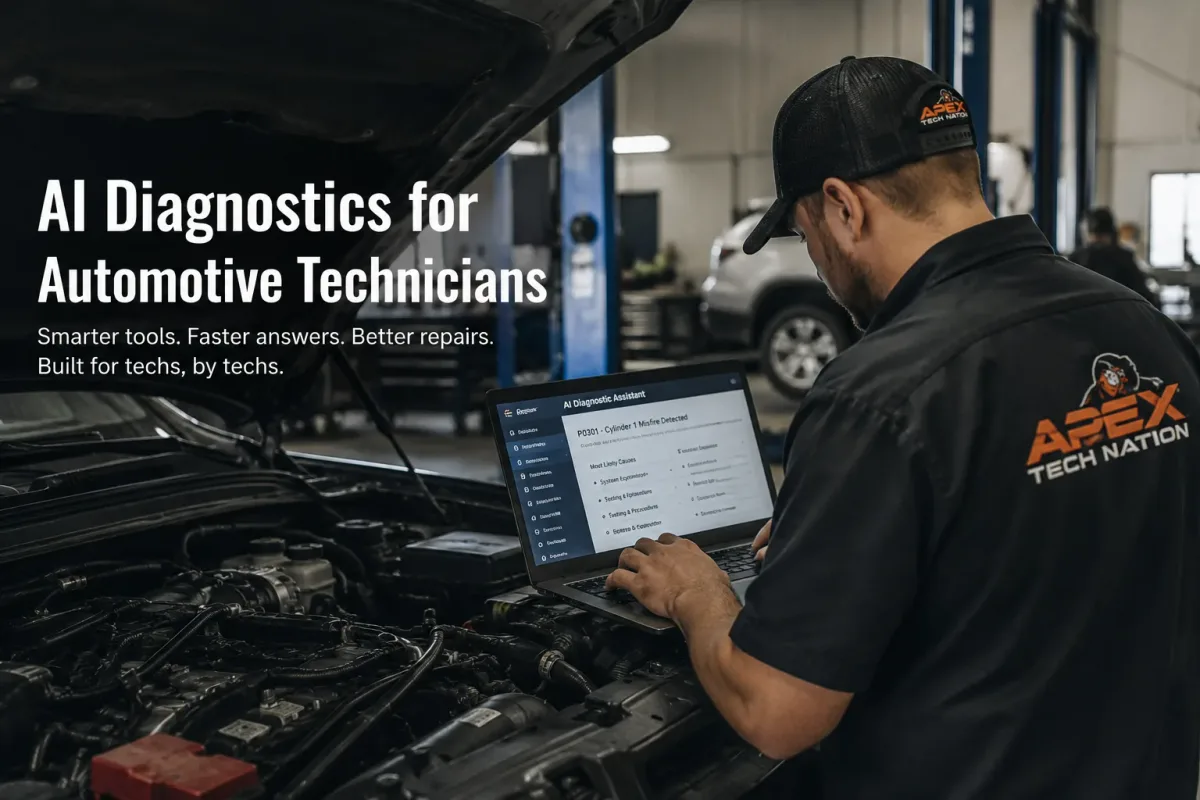
If you're experiencing these symptoms and want to understand what's going on before visiting a shop, the diagnostic resources at APEX Tech Nation can help you go in informed.
When to Replace Suspension Parts
Shocks and Struts: Most manufacturers recommend inspection at 50,000 miles and replacement as needed. In my experience, most shocks and struts need replacement between 60,000 and 100,000 miles. If you drive on rough roads regularly, it could be sooner. Always replace them in pairs - both fronts or both rears. Replacing just one side creates an unbalanced ride. Cost: $400 to $900 per pair installed, including alignment.
Ball Joints: Replace when any play is detected during inspection. There's no mileage interval - just regular inspection. Some lower ball joints on trucks have grease fittings and last longer with regular greasing. Most modern ball joints are sealed and non-serviceable. Cost: $200 to $500 per side.
Tie Rod Ends: Same as ball joints - replace when play is found. Outer tie rod ends tend to wear faster than inner tie rods. Cost: $150 to $400 per side including alignment.
Sway Bar Links: Replace when they're clunking or you can feel play by hand. They're wear items and fairly cheap. Cost: $80 to $180 per side installed.
Control Arm Bushings/Assemblies: Replace when bushings are cracked, torn, or have excessive play. Some vehicles require replacing the entire control arm because the bushings aren't sold separately. Cost: $200 to $700 per side.
Here's my advice: have a technician inspect your suspension components during every tire rotation or oil change. It takes a few minutes on the lift and costs nothing at most shops. Catching a worn part before it fails is always cheaper, safer, and less stressful than dealing with a failure on the road.
Your suspension is the unsung hero of your driving experience. When it's working right, you don't notice it at all. When it's worn, everything feels off - the ride, the handling, the tire wear. Stay on top of it, and your car will drive the way it's supposed to.